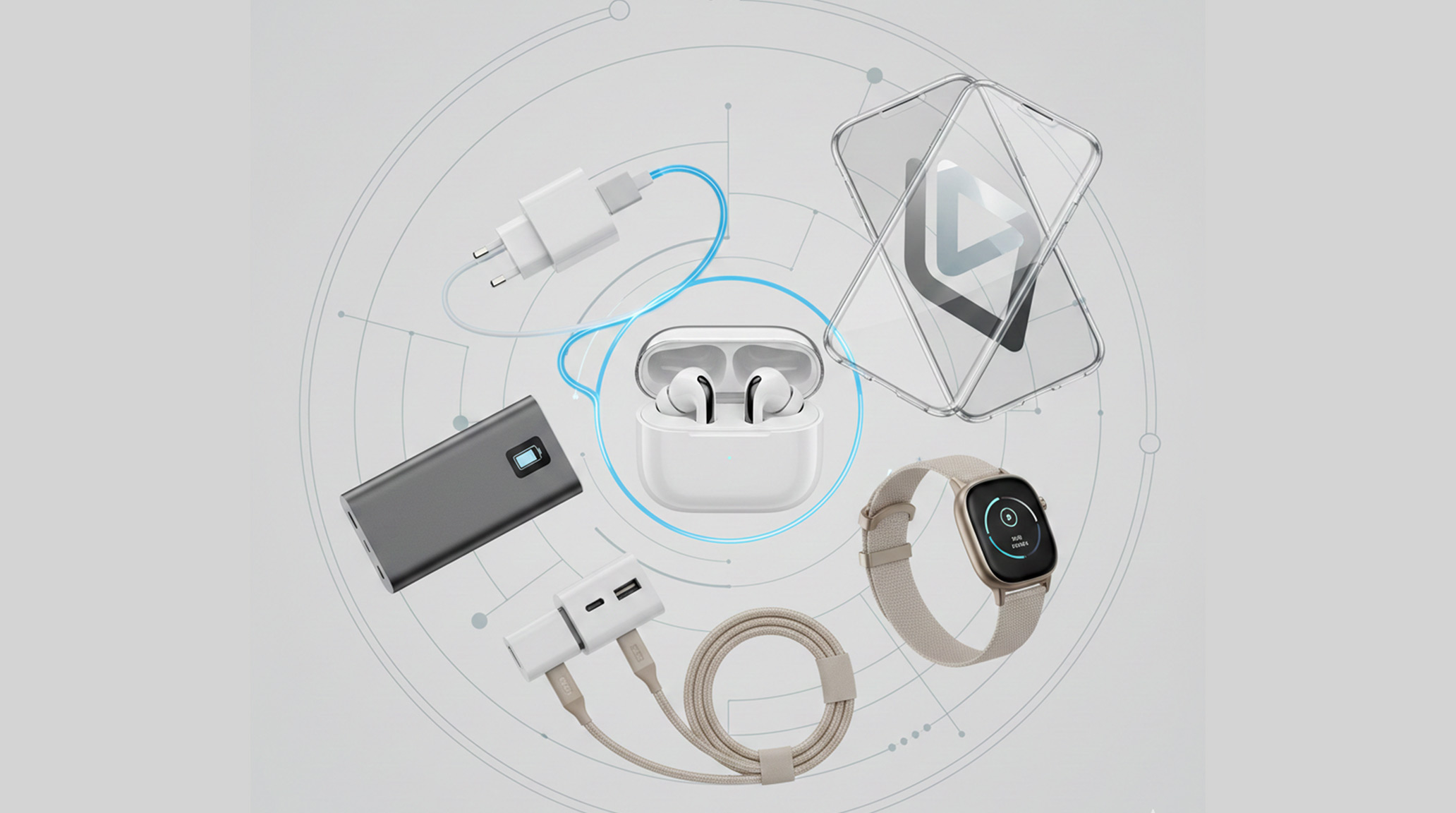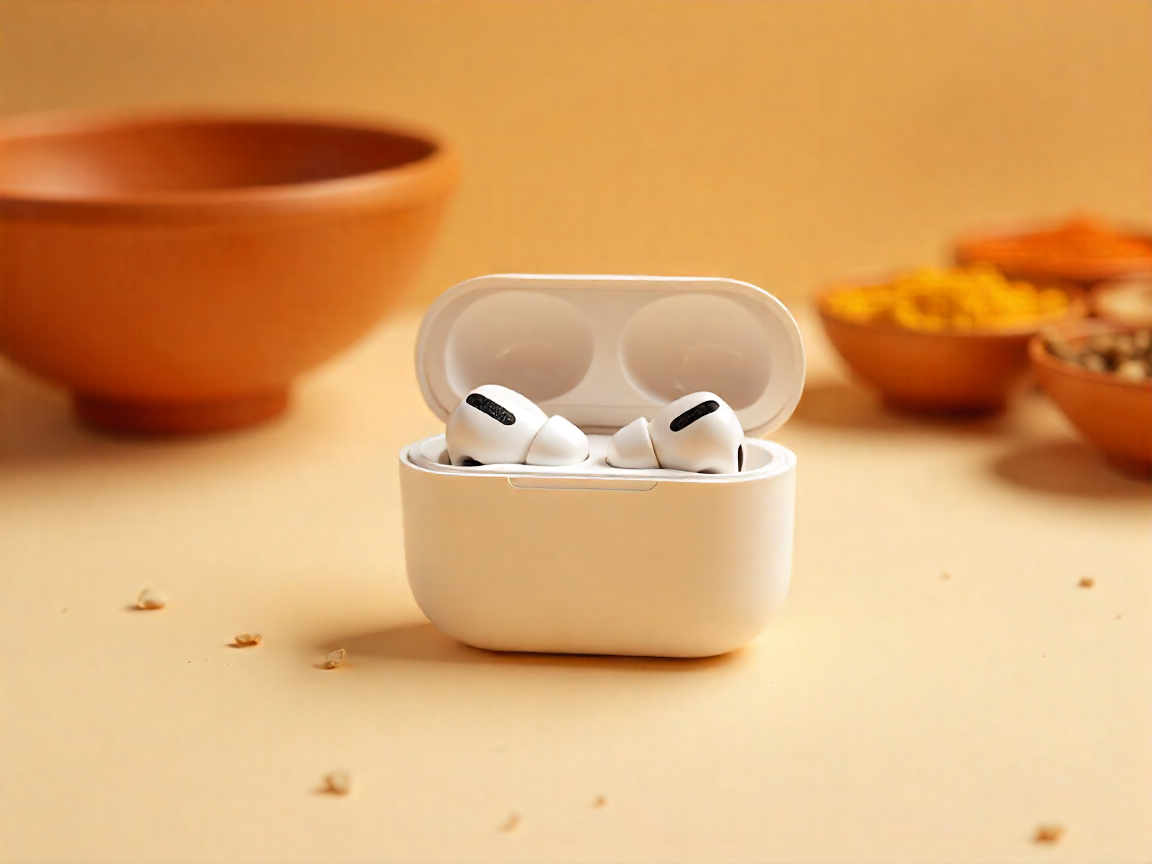
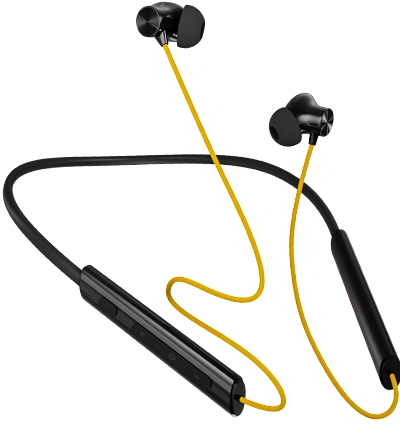
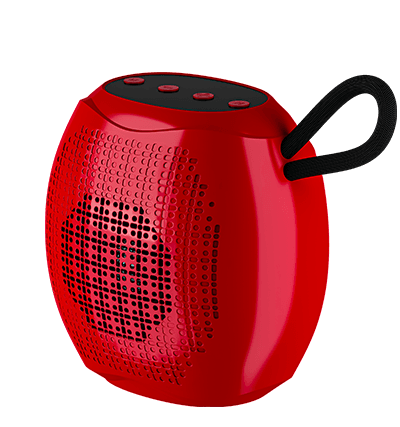
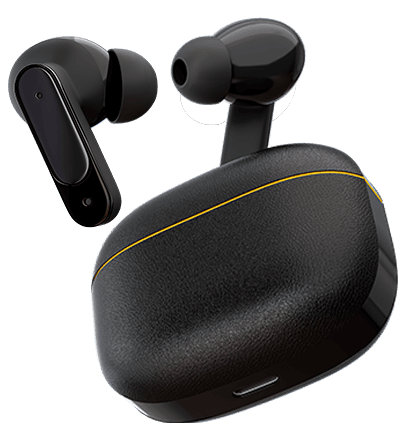
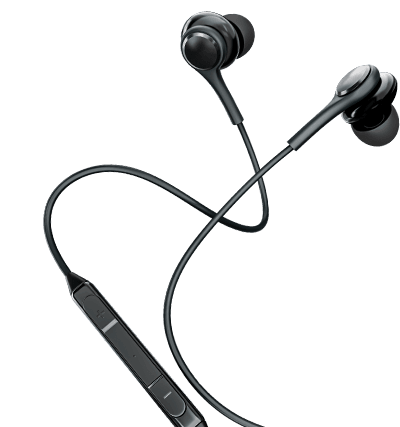
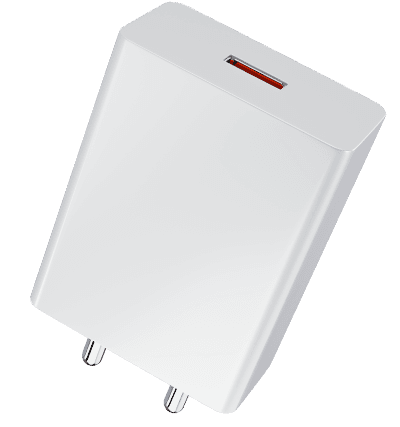
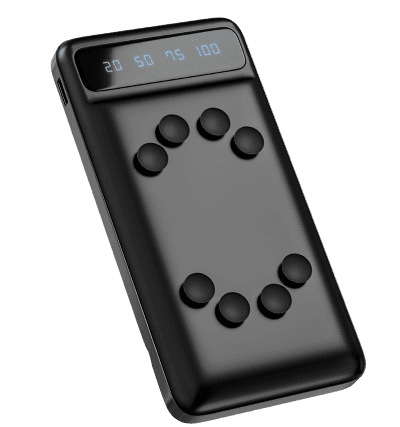
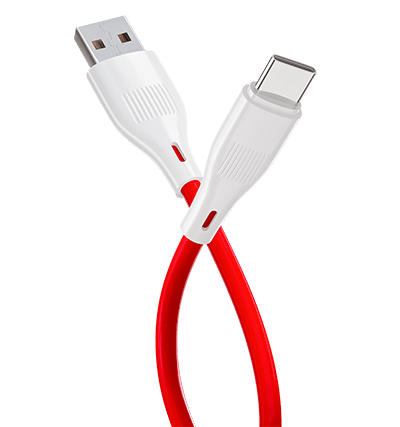
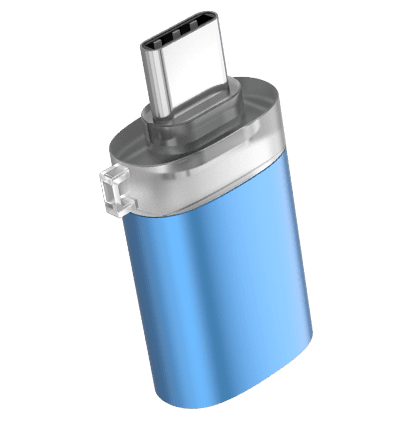
The Indian mobile accessories market has gone through a dramatic shift over the last five years, but the most interesting part of the story is how OEM (Original Equipment Manufacturer) brands—not just retail or D2C brands—have quietly become the backbone of this growth. Today, OEM factories in India support everything from private-label earbuds launched by Amazon sellers to charging accessories supplied in Tier-2 electronics markets to bulk orders for enterprise gifting.
The growth curve hasn’t been noisy or flashy, yet every online marketplace, retail chain, and distributor is touched by OEM supply chains in one way or another. If you walk into a mid-sized retail mobile accessories shop in Vijayawada or Guntur, you’ll notice that nearly half the SKUs are not from “famous” brands— they’re private label products sourced from OEM manufacturers. This quiet shift explains why the market is now estimated to cross USD 280+ Million by 2026 (based on multiple industry estimates).
In this deep-dive, let’s unpack why OEM mobile accessories brands are growing in India, how the distribution ecosystem works, what buyers care about in 2026, and how the next wave of growth will play out.
Why OEM Mobile Accessories Are Scaling Faster in India
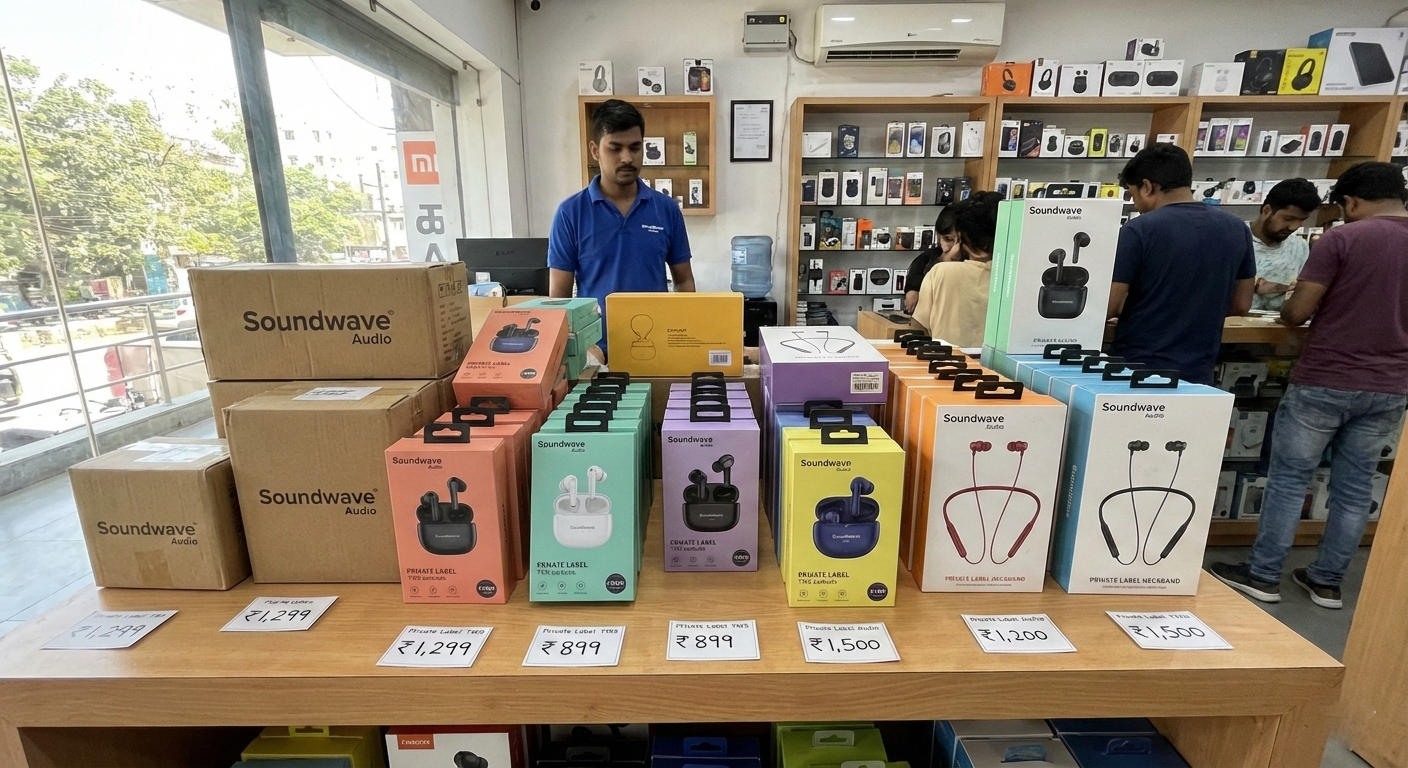
The Indian market is uniquely positioned for OEM growth. Several forces converged at the same time:
- Rising smartphone penetration
- Post-pandemic e-commerce boom
- Entrepreneur-driven private label surge
- Increasing YouTube/Influencer-driven demand
- Improved domestic manufacturing ecosystem
- Import cost pressure (especially on China shipments)
None of these forces alone would be enough. Together, they created the ideal environment for OEM growth.
Private Label Businesses Created a Pull Effect
A few years ago, “private label” sounded like a corporate strategy term. By 2024–2025, small sellers on Flipkart, Amazon, Meesho, and Shopee-style platforms realized the model was simple:
- Pick a trending OEM product (neckband, TWS, chargers, cables)
- Add a brand name + packaging
- Launch online with reasonable pricing
- Scale through reviews + ads
Unlike clothing or home décor, mobile accessories have fewer sizing/fit issues, fewer returns, and consistent demand. A seller from Tirupati recently summarized it well in a sourcing event:
“Data cable doesn’t have a fashion season, doesn’t expire, and doesn’t require warranty drama at scale. It just sells.”
This consistent pull drove OEM factories to improve tooling, battery quality, speaker drivers, and QC processes over the last 3–4 years.
Distributors & Retail Chains Needed Better Margins
Retail distributors in Tier-2 and Tier-3 cities traditionally sold branded accessories like Samsung or Boat, but margins were limited. OEM accessories changed the unit economics entirely:
- Branded product margin: 6–15%
- OEM private label margin: 20–45%
- OEM bulk + retail margin: 50%+ for some SKUs
For a distributor in Visakhapatnam or Tirupati, this difference can change annual profitability in a very real way—especially when customer footfall is unpredictable.
OEM also gives distributors pricing control, not controlled by MRP of famous brands.
Manufacturing Has Quietly Upgraded in India
It’s easy to imagine OEM factories as noisy manual units, but the reality in 2026 is different. Many established OEM factories now use:
- Semi-automated winding machines
- Automated soldering systems
- Injection molding units
- Battery capacity testers
- Hi-pot safety testers
- Automated packaging lines
The result: lower defect rates and faster production cycles.
Factories that once took 45 days to deliver OEM orders are now doing the same in 15–25 days depending on SKU and packaging complexity.
India has amplified its electronics manufacturing capabilities through policy incentives like the PLI scheme for electronics manufacturing, encouraging OEM production in mobile accessories and related hardware. More details on this national policy and its projected impact can be found on the official Ministry of Electronics & IT site: https://meity.gov.in
What Buyers Look For in 2026 (OEM Buying Criteria)
Buying behavior has matured. Buyers are no longer asking:
“Do you have neckbands?”
They now ask:
- What chipset is used?
- Battery capacity?
- Bluetooth version?
- Driver size?
- Charging speed?
- Warranty terms?
- MOQ and lead time?
This signals a market that has moved up the learning curve.
MOQ & Pricing Transparency
In 2026, typical MOQs in OEM mobile accessories look like:
- Neckbands: 100–300 pcs
- TWS Earbuds: 100–300 pcs
- Chargers: 200–500 pcs
- Data Cables: 500–1000 pcs
Buyers—especially e-commerce sellers—prefer transparent pricing tiers based on quantity.
Packaging & Branding Matters More Now
A huge misconception is that branding = logo printing. Serious private label sellers focus on:
- Packaging thickness
- Box visuals
- QR authenticity labels
- Warranty slips
- Logistics handling strength
A Coimbatore-based buyer explained it well:
“A good package improves conversion by 20–30% online because customers feel they’re buying a real product, not a random listing.”
Warranty Handling & After-Sales
Even though accessories are low-ticket, warranty trends are changing:
- Chargers & cables rarely get warranty claims
- Audio products (TWS, neckband) get more returns
- Larger brands demand QR-enabled warranty systems
Factories offering basic RMA handling are preferred by big distributors.
How Distribution Models Support OEM Growth
OEM demand scales through distribution models, not branding campaigns.
India’s distribution ecosystem roughly splits into:
- Retail Distributors
- E-commerce Private Label Sellers
- Corporate Gifting Companies
- Mobile Retail Chains
- Wholesale Market Sellers
- Enterprise Buyers (Bulk Orders)
These channels have one thing in common: OEM gives them better control and better margins.
Retail & Wholesale Markets Have Shifted
Walk through wholesale electronics clusters in:
- Karol Bagh (Delhi)
- Lamington Road (Mumbai)
- Ritchie Street (Chennai)
- Metro Plaza (Kolkata)
and you’ll see dozens of private label SKUs in neckbands, cables, chargers, and speakers.
Nobody buying there asks for “brand”—they ask for functionality + price.
This silent transformation is why OEM is scaling faster than mainstream branded goods.
E-commerce Sellers Built a Parallel Channel
The smartest OEM buyers in India are not corporate buyers—they’re Amazon and Flipkart sellers.
Why?
Because they think in:
- search volumes
- CTR
- return rates
- margins
- conversion
- customer reviews
When a ₹450 OEM TWS sells online for ₹999 with a 30% ACOS and low return rate—everyone in the chain wins.
This ecosystem alone created thousands of micro-brands between 2021–2026.
India’s Domestic Manufacturing Push (Policy + Economics)
Two underrated factors accelerated OEM growth:
1. Import Duty Pressure
Post-2020, import duties + compliance + freight complexity made pure importers rethink strategy.
2. Government Manufacturing Push
Schemes like:
- Make in India
- PLI (Production Linked Incentive)
- Electronics Manufacturing Clusters
didn’t magically solve everything, but they provided direction + confidence.
3. Freight & Logistics Costs
Sea freight volatility during COVID made OEM buyers explore domestic manufacturing for risk reasons, not patriotism.
These factors collectively moved parts of the supply chain onshore. According to industry market data on smartphone and accessories trends, mobile accessory consumption in India continues to rise alongside smartphone penetration, reflecting broader digital adoption across the country. For broader context on device growth and accessory demand patterns, see the latest Statista report on smartphone sales in India: https://www.statista.com/statistics/467190/forecast-of-smartphone-user-numbers-in-india
What the Next Wave (2026–2030) Will Look Like
Based on discussions with distributors, e-com sellers, and OEM managers, here are the most realistic projections:
Trend 1: Audio Will Keep Leading
TWS and neckbands will remain the fastest growing due to constant new models and gifting demand.
Trend 2: Fast Charging Will Be Universal
Even budget phones now need 18W+ charging accessories.
Trend 3: Private Label Will Move Upmarket
More quality-focused small brands will appear, not just cheap rebrands.
Trend 4: B2B Bulk Orders Will Grow
Companies use accessories for:
- employee onboarding kits
- promotional gifts
- event giveaways
This segment grows quietly every year.
The OEM ecosystem increasingly supports local distributors and retail chains in cities such as Vijayawada, Guntur, Tirupati where private-label accessories have become a profitable category for retailers. Similarly, e-commerce sellers in Visakhapatnam have been scaling audio and charging SKUs through OEM supply networks rather than depending on traditional branded catalogs.
Most Popular Questions – FAQ?
Why are OEM mobile accessories growing faster than branded products?
OEM provides better reseller margins, faster iteration cycles, and private-label flexibility—something branded players cannot match.
Are private label accessories reliable for consumers?
Reliability depends on factory QC, chipset choices, battery quality, and packaging—better OEM factories deliver consistent performance.
Who typically buys OEM mobile accessories in India?
Retail distributors, e-commerce sellers, wholesale market traders, gifting companies, and corporate procurement teams.
What is the typical MOQ for OEM mobile accessories?
Ranges from 100 to 1000 units depending on product type (lower for audio, higher for cables).
How long do OEM bulk orders take?
Most factories deliver within 15–30 days depending on customization, packaging, and production load.
Are OEM and ODM the same thing?
OEM manufactures to client specifications; ODM offers ready-made designs that can be rebranded—useful for small private label brands.
Conclusion
OEM mobile accessories are not growing in India by accident—they’re growing because markets reward control, profits, and flexibility, and OEM provides all three. Whether it’s a small Amazon seller launching a private label neckband or a distributor stocking chargers for retail chains, OEM now forms the backbone of India’s accessories supply chain.
This shift will only accelerate between 2026–2030 as more players realize that brand building doesn’t always require owning a factory—it requires owning the customer and leveraging OEM manufacturing smartly.